

Is your home painting peeling off? You might be agitated by it, that is why it’s happening, and how you can prevent it. Peeling house paint can cause more damage to the paint, ruin the look of your wall, and also cost a lot of money to repaint.
To avoid these issues, this article will explain the 7 common causes of peeling house paint and how to fix them. Therefore, PS Painting Services Singapore explains common causes of peeling house paint and how to fix them. Moreover, they also offer room painting, wall painting, and interior painting services in Singapore.
7 Common Causes of Peeling House Paint and How to Fix Them
If you’re having peeling house paint in Singapore, you’re not alone. Every other person has this issue. But what causes it, and how can you avoid it to save money on repaint and keep your house looking stylish and clean? Let’s talk about the causes and the methods to prevent them.
1. Moisture Problems
One of the most common causes of peeling house paint is moisture. There’s frequent rain in Singapore that gets your walls damp, loosening the grip of the paint on the surface. Not only the rain but also the condensation and the leaks can cause the same issue.
The wetness causes the paint to bubble, blister, and peel off. If you don’t take care of it and let it be the way it is, then it’ll grow mold that is even worse. You can fix peeling house paint with this guide.
How to Avoid:
- Find and fix any leaks in your roof, walls, or plumbing.
- Use a dehumidifier in damp areas like bathrooms.
- Apply a moisture-resistant primer before painting.
- Keep good air circulation by using exhaust fans and opening windows.
2. Poor Surface Preparation
This is a mistake that people make while painting their homes. They don’t prepare the surface and just apply the paint on it, which has dirt, dust, debris, and moisture on it. That keeps the paint from sticking properly to the wall, and it peels off quickly.
Other than that, some people also don’t sand the paint, which further leads to more peeling off and bubbling.
How to Avoid:
- Always clean walls before painting with soap and water.
- Sand rough areas and remove old peeling paint.
- Apply a good-quality primer to help the paint stick better.
- Let the primer dry completely before painting.
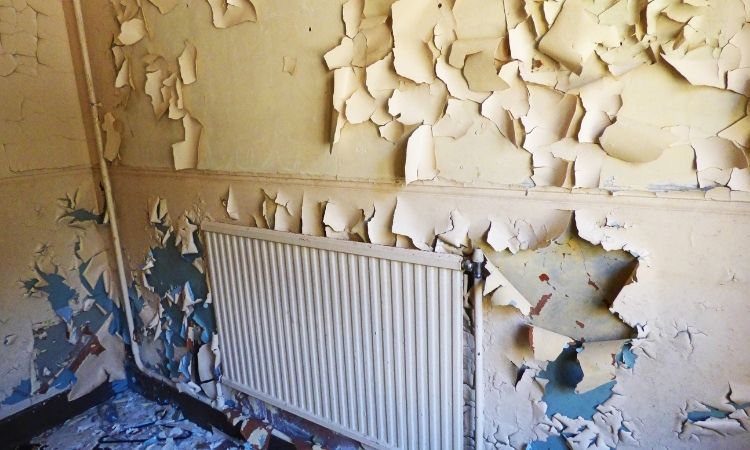
3. Low-Quality Paint
You may think that by choosing cheap, low-quality paint, you’re saving a lot of money. But in the long run, the paint peels off, costing you way more money on the repair that also comes with a hassle and time consumption. Low-quality paint lacks the right ingredients, so it doesn’t stick well on the wall. It breaks down faster, becomes weaker, and starts falling off in no time.
How to Avoid:
- Always buy high-quality, weather-resistant paint.
- Check the paint’s expiration date before using it.
- Use the right type of paint for the surface (e.g., exterior paint for outdoor walls).
- Apply two coats for better durability.
4. Painting on a Wet Surface
Moisture can be an enemy of the paint as it doesn’t let the paint stick properly on the wall. If you clean up the wall with water and then paint on it without cleaning the remaining moisture, then this is why you see the paint peeling-off issue.
It happens when you rush while painting the wall and don’t even bother to clean out the moisture remaining on the wall before painting on it.
How to Avoid:
- Make sure walls are completely dry before painting.
- If painting outside, wait a few days after rain.
- For fresh plaster, wait at least a week before applying paint.
- Use a moisture meter to check if the surface is ready.
5. Temperature Extremes
Both can cause the paint to peel off, whether it’s too cold or hot. Humidity is another issue that could contribute significantly to the bubbling, blistering, and peeling of your house paint in Singapore.
If it’s too hot, the paint dries too quickly and doesn’t stick well. If it’s too cold, the humidity gets higher, which causes the paint to bubble and ultimately peel off.
How to Avoid:
- Paint when the temperature is between 50°F and 85°F (10°C to 29°C).
- Avoid painting in direct sunlight or on very humid days.
- Follow the manufacturer’s guidelines for the best painting conditions.
- If painting indoors, keep the room well-ventilated.
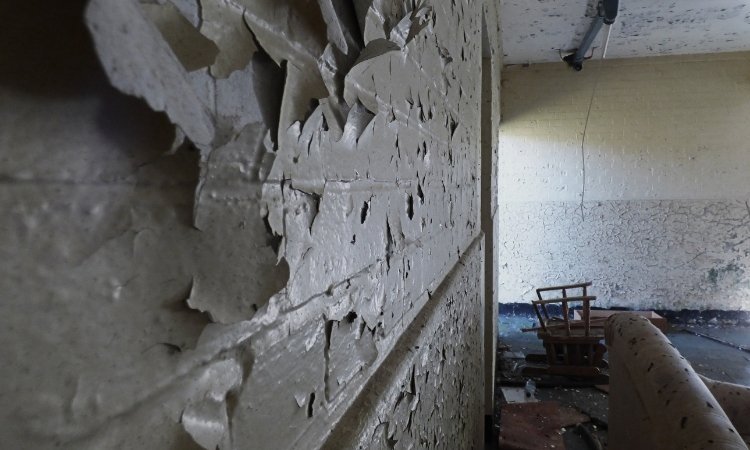
6. Too Many Paint Layers
You may think that adding too many paint layers can make it long-lasting and thick, but that’s not the case. The more layers you add, the heavier the paint gets; it’s hard to stick on the wall and finally peels off.
If you add the layers of the paint on the old paint, that’s even worse, as the old paint might not be strong enough to hold the weight of the new paint layer. So, that paint flakes off with the new paint you put on it.
How to Avoid:
- Remove old, peeling paint before applying a new coat.
- Don’t just paint over damaged areas—fix them first.
- Use fewer, high-quality coats instead of many thin ones.
- Sand in between coats for better adhesion.
7. No Primer Used
Many people think that using a primer on walls is optional and a time-consuming task that can easily be avoided. But applying the prime, especially in countries like Singapore, is crucial to improving the stickiness of the paint. It provides a smooth base for the paint to stick properly and last longer.
How to Avoid:
- Always use a primer, especially on bare or glossy surfaces.
- Choose the right primer for the material you’re painting.
- Let the primer dry completely before applying the paint.
- Don’t use watered-down paint as a substitute for primer.
These are the 7 common causes of peeling house paint in Singapore and also how you can avoid them.
Final Words:
Is your house paint peeling off? It can happen due to moisture, poor surface prep, low-quality paint, painting on wet walls, extreme temperatures, too many layers, or skipping primer. Avoid this by fixing leaks, using weather-resistant high-quality paint, cleaning surfaces before painting, waiting for walls to dry, painting at the right temperature, removing old peeling layers, and applying primer correctly so the paint sticks well and lasts longer.