

I love good DIY projects, and if you’re anything like me, you’ve probably got a few half-empty paint cans around after painting your HDB flat or condo in Singapore. Learning how to store paint for reuse saves you money and keeps the paint in excellent condition for your next touch-ups or creative project. But due to Singapore’s hot and humid climate, storage can be challenging.
Don’t worry! I’m here to share simple, practical tips on how to store paint for reuse so your paint stays fresh for years. Let’s dive in with easy steps tailored for Singapore’s climate. Moreover, PS Painting Servicing Singapore offers services like HDB painting, condo painting, and wall painting in Singapore.
Why Bother Storing Paint?
Paint isn’t cheap. In Singapore, a can of quality paint like Nippon or Dulux can be very expensive. Pouring out unused paint is like throwing money down the drain. Plus, Singapore is all about being sustainable, so reusing paint is the way to go green.
Whether you’re repairing a scratch on the wall or painting an arts and crafts project, learning to store paint for reuse will give you the confidence to get you through every situation. It is good for your wallet and the planet!
Easy Steps to Store Paint For Reuse
1. Check If the Paint Is Still Good
First, you have to ensure that your paint is usable. Open the can and stir it lightly. Does it look smooth? Does it smell okay? If it smells bad or is lumpy, it’s no good. Carefully throw it away (I’ll tell you how later). If it’s smooth and smells okay, you’re ready to store paint for again use.
2. Pick a Good Container
Use the original paint can if it’s in good shape. It’s made to keep paint fresh. If the can is rusty or too big for the leftover paint, pour the paint into a smaller, clean container. In Singapore’s humid air, a tight seal is super important to keep moisture out.
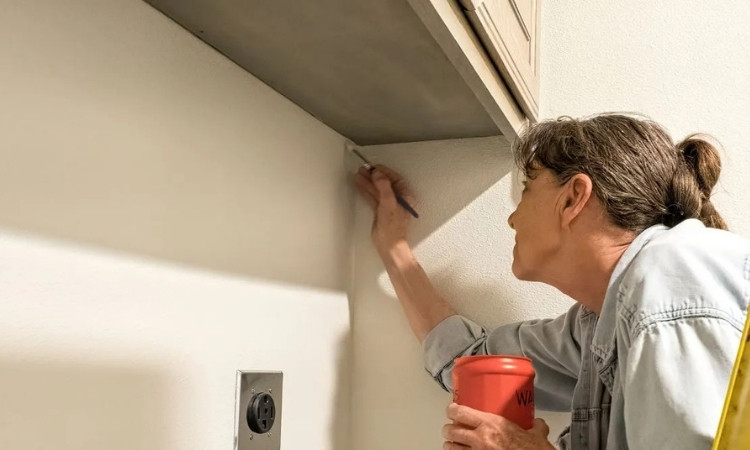
3. Keep Air Out
Air makes paint dry out or form a gross skin on top. To store paint for reusing, fill your container almost to the brim so there is less air space. If you’re using the original can, place plastic wrap over the opening before you close the lid. This gives an additional level of protection.
4. Seal It Tight
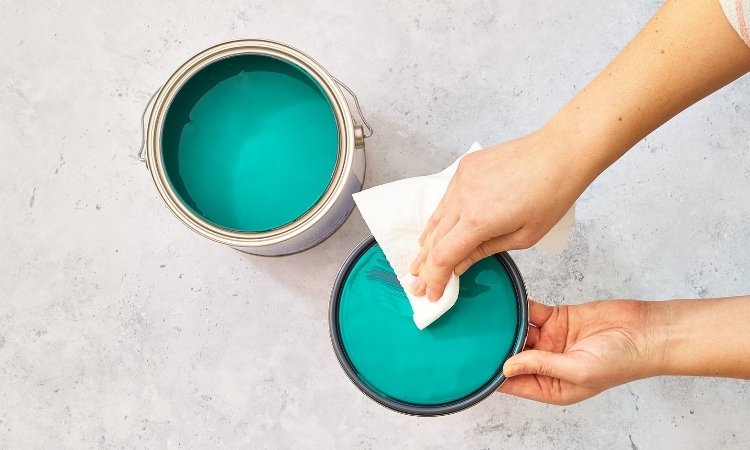
A good seal helps preserve your paint. Seal the aluminum can by pressing the lid closed using a rubber mallet or hammer. Be gentle so you won’t dent the rim. A dented rim lets air sneak in. If in jars or plastic containers, firmly secure the lid. You can add a layer of painter’s tape to the lid for added protection.
5. Find the Perfect Storage Spot
In Singapore, the heat and humidity can wear down the paint in a short span of time. Your paint must be stored in a cool, dry place where it will not get sunlight. A cabinet, a corner of your storeroom, or under a staircase in your HDB or condo is good.
Aim for a spot between 10°C and 25°C. Don’t store paint on a balcony or in a garage, as it’s too hot and humid there. If you have an air-conditioned room, that’s awesome, but keep paint away from kids and pets.
6. Store It Upright
Never store paint cans upside-down. This prevents leakage and seals the lid tightly. If you store cans on their side, paint sticks to the rim, making it difficult to open later. Proper storage also helps to prevent the formation of skin on the paint.
7. Check Your Paint Regularly
Even if a paint is stored properly, it doesn’t last forever. Shake your cans of paint every 6-12 months. Is it still liquid? If it’s separated, stir it to see if it easily becomes smooth again. Water-based paints, which are used on most indoor walls in Singapore, can last 5-7 years. Oil-based paints are used for some outdoor applications and have a 10 to 15-year life.
Singapore’s Climate and Paint Storage
Singapore experiences a tropical climate with temperatures averaging around 27-32°C. This can make paint storage a challenge. Metal cans are prone to rust in humid weather, so you can cover them with a plastic bag.
If you live in a high-rise HDB or condo, avoid storing paint near windows where moisture accumulates. Oil-based paints require an extra-tight seal because they are highly vulnerable to temperature fluctuations.
How to Dispose of Bad Paint
If your paint is too far gone, don’t dump it in the regular trash. Singapore has strict rules for hazardous waste like paint. Mix bad paint with cat litter or sawdust to make it solid. Then, put it in a bag and take it to a recycling centre, such as those operated by the National Environment Agency (NEA).
A few brands, such as Nippon, have take-back programs. Check with your paint distributor for options.
Final Thoughts
Understanding the art of storing paint for reuse is a game-changer for all DIY enthusiasts or anyone in Singapore looking to save a buck. Make sure your paint is stored in a cool and dry place. These very easy steps help your paint be ready to be used for touch-ups, crafts, or to be shared with others. In the humid climate of Singapore, storage is everything.
So pick up those paint cans, use these tips, and store paint for reuse like a pro. You’ll be able to handle your next project in a short amount of time!