

Have you ever stared at a plain particle board shelf and wished it could look like something from a fancy furniture store? Paint particle board, and you can make that happen! Particleboard is a go-to material in Singapore homes. It is cheap, durable, and ideal for bookshelves as well as kitchen cabinets. However, it is rough and porous, and therefore difficult to paint. Don’t worry, as this guide breaks down how to paint particle board for a smooth finish in Singapore.
In just a few easy steps, a few local tricks, and a little time, you will achieve a clean, professional result that will completely transform your space. Moreover, PS Painting Servicing Singapore’s detailed process is a guide on this matter. Let’s also not forget their efficient services in condo painting, house painting, and room painting domains.
Why Bother Painting Particle Board?
The particle board is fabricated by pressing small wood chips into resin. It is a cost-effective option when it comes to furnishings, particularly in the HDB apartments and condominiums in Singapore. But it’s not exactly pretty on its own. Its bumpy texture and plain look beg for a makeover.
By painting the particle board, you not only end up with a sleek appearance but also protect it against the humid climate of Singapore, which may make the particle board warp or swell. A good, smooth paint job can make a wooden grain particle board appear like a solid board or blend in with modern house decor.
What You’ll Need
Get these supplies before you start. You can get them in stores such as Home-Fix, Horme Hardware, or Lazada Singapore.
- Sandpaper: Get 120-grit as the rough first hand and 220-grit to give a fine finish.
- Primer: Apply an oil-based or shellac-based primer to ensure a firm hold on a particle boards.
- Paint: Acrylic or enamel paint will provide a long-lasting, smooth topcoat.
- Brushes and rollers: Foam rollers are used to give an even coat. Small brushes are great for edges and corners.
- Clean clothes: Use these to wipe the dust and dirt out.
- Wood filler: To fill holes, dents, or chips.
- Drop cloth or old newspapers: To ensure that your floor is not spoiled by the splatters of the paint.
- Painter’s tape: To give sharp, clean edges.
- Sanding block: Makes sanding easier and keeps it even.
- Safety equipment: A mask and gloves to avoid dust and fumes.
Look at Ace Hardware in Parkway Parade or e-stores such as Shopee.
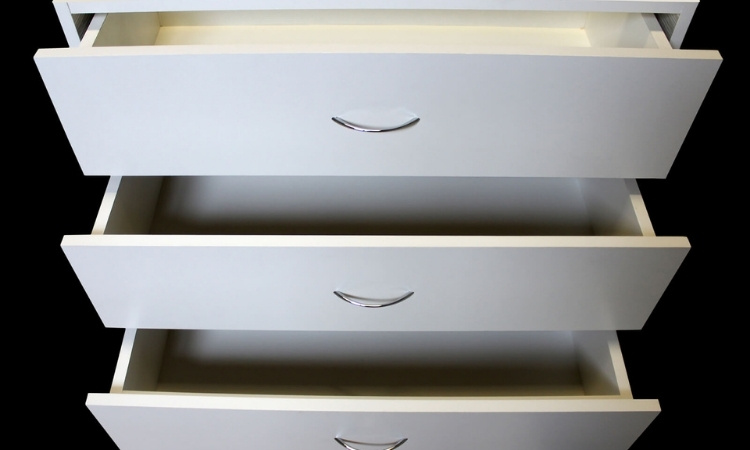
Step-by-Step Guide to Paint Particle Boards
1. Set Up Your Workspace Like a Pro
In Singapore, the moisture may complicate the process of painting. Choose a well-ventilated location, like a balcony, open garage, or a corner by a window. Put an old drop cloth or newspapers to collect drips. The most important thing is good light, so take a portable lamp with you in case you need to see the flaws. A portable fan is one thing that can help circulate the air, particularly on humid days.
2. Clean the Particle Board Thoroughly
Grease, dust, or even fingerprints can ruin your paint. Take a clean cloth and wet it with a bit of water. Pour some drops of mild dish soap on greasy areas, such as kitchen cabinets. Swipe all over the particle boards. Then dry it off completely with another clean cloth. This will make your primer adhere like glue to provide you with a smooth surface.
3. Sand for a Smooth Foundation
Sanding is the magic behind a flawless finish. Begin with a rough sandpaper by using 120-grit sandpaper to cover the coarse surface of the particle boards. Sand lightly in circular movements. Give special consideration to rough or irregular places. Remove dust using a clean wipe. Then move up to 220 grit sandpaper to give a finer finish. This makes the surface silky smooth. The dusty air of Singapore will find its way into your working area, so continue to wipe the board to prevent it from being trapped under the paint.
4. Patch Up Flaws
Particle boards often have tiny holes, cracks, or chipped edges. Apply wood filler on these areas using a putty knife. Spread it and allow it to dry up. Read the product label, drying times are normally 1-2 hours. After they are dry, sand the filled-in areas with 220 grit sandpaper until they merge with the rest of the surface. This is an important step for a professional look when painting particle boards.
5. Prime Like a Pro
Primer is non-negotiable for particle board painting. It covers the porous surface and makes paint adhere better. Go for an oil-based or shellac-based primer. Brands like Nippon Paint’s 3-in-1 or Dulux’s Stain Block Primer are popular in Singapore. Apply a fine and even coat with the help of a foam roller. Apply primer to tight corners or edges with a brush. Allow it to air dry for 4- 6 hours. To be on the safe side, check the primer can for exact times.
6. Sand Again for Extra Smoothness
When the primer dries, sand the surface lightly using 220-grit sandpaper. This eliminates all the small bumps, brush strokes, or air bubbles. Remove dust using a piece of clean cloth. This easy move makes your paint come on like butter, and gives you the sleek finish that you desire.

7. Paint the Particle Board with Care
Now comes the fun part, that is, the time to paint particle boards. Use a good, durable enamel or acrylic paint to get a tough, long-lasting finish. The Weatherbond or Dulux Ambiance by Nippon Paint will do wonders in the hot and humid weather of Singapore. Use a foam roller for large areas to avoid streaks. Brush on paint for edges or small details.
Apply the first thin coat and allow it to dry for over 6-8 hours. Never be in a hurry because humid weather can actually delay the drying process. Apply a second coat to give an intense, even color. Thin layers avoid drips and make the finish smooth.
8. Seal It for Longevity
Want your paint job to last longer? Add a clear polyurethane topcoat. This guards against scratches, spills, and humidity in Singapore, which is unforgiving. It makes a good choice of furniture in places that experience a lot of traffic, such as living rooms in Sengkang or dining rooms in Toa Payoh.
Use a clean brush or roller for top coat application. Leave it to dry for 24 hours. A topcoat gives either a gloss or a matte finish, of your choice, and keeps your furniture looking fresh for years.
Wrapping Up
It’s easy to paint particle boards for a smooth finish in Singapore if you follow these steps. Scrub, sand, prime, and paint. Apply good paints that are designed to work in humid conditions. Stores like Home-Fix have everything you need. With time, patience, and good detailing, your particle board furniture will appear stylish and last for years.