

Lime wash paint is enjoying a revival in Singapore. Used for centuries in Italy and France, this natural coating creates a soft, textured finish that flat paints can’t match. If you prefer walls with a warm, aged look rather than a glossy sheen, lime wash might be ideal. In this guide, we’ll explain what lime wash paint is, how it performs in Singapore’s humid climate, and walk you through each application step.
What Is Lime Wash Paint?
Lime Wash Paint is an old type of paint made out of crushed limestone, which has been heated and blended with water, and allowed to age into lime putty. When applied to surfaces, it creates a soft, chalky, matte finish that’s both breathable and eco-friendly. Unlike plastic-based paints, Lime Wash Paint doesn’t sit on top of the wall; it soaks into it, creating depth, movement, and subtle texture. That’s what gives lime-washed walls their natural, cloud-like look. It’s also non-toxic, mold-resistant, and has natural antibacterial properties, an added bonus in Singapore’s humid climate.
Why Choose Lime Wash Paint in Singapore?
Singapore’s tropical weather, with its high humidity and frequent rain, poses a challenge for many wall finishes. Lime Wash Paint in Singapore is gaining attention not just for its aesthetic but also for its functional benefits:
- Breathability: Lime Wash Paint lets moisture out from the walls, eliminating the risk of mold.
- Eco-Friendly: It is natural and does not have any harmful VOCs.
- Cooling Effect: Lime Wash Paint reflects light and keeps interiors naturally cooler, which is ideal for Singapore’s hot weather.
- Low Maintenance: Over time, lime-washed walls age beautifully, developing a patina rather than peeling or cracking like typical paints.
I tested it myself in my flat in Sengkang. I used it on a bedroom wall that had moisture issues. After switching to Lime Wash, the wall stayed dry and cool. The paint didn’t bubble or flake, even during the rainy season.
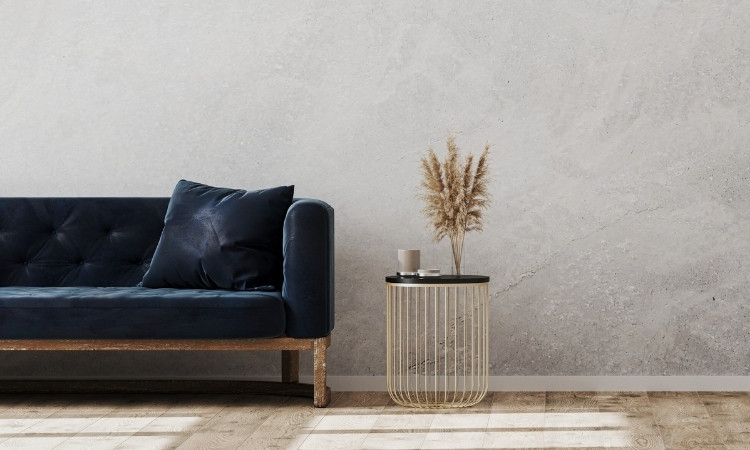
Importance of Lime Wash Paint
Many homeowners and designers in Singapore are now valuing the importance of Lime Wash Painting beyond just looks. It reconnects us with nature through its ingredients and texture. Unlike flat and lifeless wall paints, Lime Wash Painting brings rooms to life. It tells a story through every brushstroke and patch of shadow. It’s not about perfection; it’s about character.
The timeless appearance of Limewash Paint also complements Singaporean homes that embrace a mix of minimalist, Scandinavian, and Japandi design elements. Its chalky texture is perfect for feature walls and bedrooms, and can create even a calm, organic look for commercial spaces like cafes and boutiques.
How to Limewash Paint:
Now that we’ve covered what it is and why it matters, let’s get into how to Limewash Paint your own walls. Here’s a step-by-step breakdown:
Choose the Right Surface
Lime wash bonds best to porous materials like plaster, brick, stone or cement. If your wall is coated in acrylic or latex paint, apply a mineral-based primer first.
Tip: Test a small patch to make sure the primer won’t seal the surface too tightly.
Prepare the Area
Cover floors and furniture with drop cloths or plastic sheeting. Lime wash is thin and can splatter more than standard paint.
Tip: Wear old clothes and safety goggles to protect against splashes.
Mix the Lime Wash
For ready-mixed lime wash, stir thoroughly. To make your own, blend equal parts lime putty and clean water. Whisk until smooth—the consistency should be more fluid than regular paint, similar to milk.
Tip: Use filtered water if your tap supply is hard; minerals can affect the final color.
Dampen the Wall
Lightly mist the surface with water. A damp wall helps the lime wash absorb evenly and reduces streaking.
Tip: In Singapore’s humidity, wait until the surface feels slightly cool to touch, not dripping wet.
Apply with a Block Brush
Use a wide, natural-bristle block brush. Work in crisscross (X) strokes. Don’t aim for full coverage on the first coat patchy areas will even out as you add layers.
Tip: Keep a damp sponge nearby to soften any hard brush lines immediately.
Allow to Dry Between Coats
Let the lime wash cure for 4–8 hours before adding another coat. Two coats are usually sufficient; apply a third only if needed.
Tip: Avoid painting late in the afternoon; cooler night temperatures can slow curing.
Inspect and Touch Up
Once the final coat has dried, check for uneven spots. Lightly recoat any areas that appear too thin or flat to achieve a uniform, handcrafted look.
Tip: After a week, rinse the wall gently with a damp cloth to remove any loose lime particles.
Where to Buy Lime Wash Paint in Singapore
Finding Lime Wash Paint in Singapore used to be difficult. But now, there are a few good options:
- Nippon Paint Singapore offers mineral-based wall finishes you can use to limewash over with primer.
- Taobao (CN) – Look for “limewash” paint sellers that ship to Singapore. Just make sure they offer slaked lime and not synthetic versions.
- Local shops in Ubi and Jalan Besar – Some smaller paint shops carry traditional lime products used by older contractors.
Ask the shopkeeper for advice if it’s your first time. Some will even give a quick demo.
Conclusion
Lime Wash Paint is not for everyone. It’s not glossy, smooth, or perfect. But if you love texture, calm colours, and natural materials, it might be the best choice for your home. In Singapore’s hot and damp weather, it performs well and looks better with time. You don’t need to be a professional to use it. Just take your time and enjoy the process. If done right, your walls will have a finish that feels handmade and full of character. If you’re after more than just paint, if you’re looking for a feeling, Lime Wash Painting might be exactly what you need.