
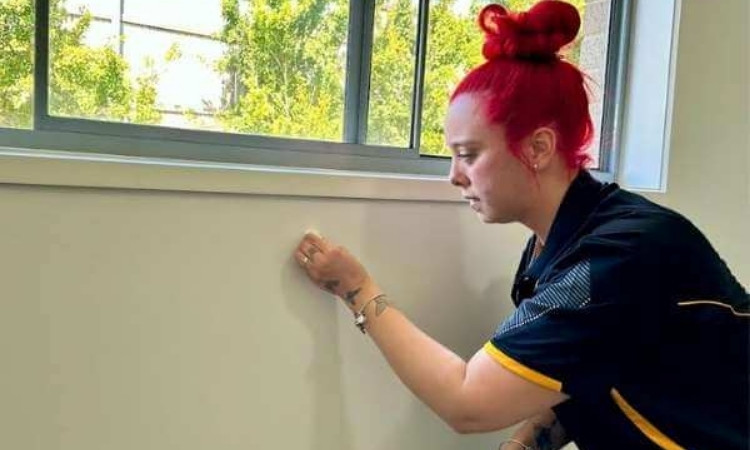
Singapore’s tropical climate, with its high humidity and frequent rainfall, presents unique challenges for maintaining the condition of our homes. From HDB flats to condos and landed properties, homeowners often face common wall issues such as dampness, cracks, mold, and peeling paint. These issues not only affect the home’s aesthetic appeal but can also lead to structural damage if not addressed promptly.
We will tell you some of the most common wall problems in Singapore homes and explain how professional painters can help fix them. By addressing these problems early, you can ensure the long-lasting durability and appearance of your home’s walls.
Identifying Common Wall Problems in Singapore Homes
Damp Walls and Moisture Damage
One of the most prevalent wall issues in Singapore homes is dampness, especially in areas like bathrooms, kitchens, and exterior walls. The tropical climate, combined with high humidity levels and frequent rainfall, makes Singapore homes highly susceptible to moisture damage. Water leaks, condensation, or poor ventilation often cause damp walls. For example, bathrooms with insufficient ventilation can trap moisture in the walls, leading to water stains and mold growth. Similarly, exterior walls exposed to rain may absorb moisture, leading to peeling paint and efflorescence (white, powdery deposits on walls).
How Painters Fix Damp Walls:
When addressing damp walls, the first step for professional painters is to identify and fix the source of the moisture. This could involve sealing leaks from plumbing, windows, or roofing. If the issue is related to poor ventilation, improvements can be made by adding or adjusting ventilation systems, such as exhaust fans or dehumidifiers. Once the moisture source is resolved, painters move on to apply waterproofing solutions.
High-quality waterproof paints and sealants are used to create a protective barrier, preventing moisture from penetrating the walls again. Additionally, in areas prone to high humidity, such as bathrooms and kitchens, mold-resistant primers and anti-mold paints are applied to provide long-lasting protection against mold and mildew. This comprehensive approach ensures that the walls are protected from moisture and able to maintain a clean, durable paint finish.
Cracks and Structural Damage
Cracks in walls are common in both new and old homes. These can range from hairline cracks caused by settling foundations to more serious cracks resulting from structural movement or water seepage.
What Causes Cracks in Walls?
- Foundation Settling: Over time, homes experience settling, which can cause hairline cracks in walls.
- Water Damage: Water seepage from leaking pipes or moisture can cause walls to expand and contract, leading to cracks.
- Structural Movement: Poor construction or natural ground shifting can lead to larger cracks in the foundation or walls.
How Painters Fix Cracked Walls:
To fix cracks in walls, professional painters first address the surface. Hairline cracks are filled with wall putty or crack filler to smooth the surface and ensure a proper paint finish. For larger cracks, the surface is often treated with a skim coat or plaster, which fills in the gaps and provides a solid foundation for painting. Once the cracks are repaired, a primer coat is applied to ensure that the paint adheres well and that the wall remains smooth and uniform.
After priming, painters use the topcoat, which helps seal the surface and prevent cracks from reappearing. Suppose the cracks are significant and affect the structural integrity of the wall or foundation. In that case, the painter may recommend consulting with a structural engineer to assess the issue before proceeding with any further painting. This ensures that any underlying problems are addressed before the cosmetic repairs are made, giving you peace of mind and a durable, long-lasting paint job.
Mold and Mildew Growth
Mold and mildew are common problems in Singapore’s humid climate. These fungi grow in areas with high moisture levels, such as bathrooms, kitchens, and exterior walls that are poorly sealed.
What Causes Mold Growth?
High humidity levels commonly cause mold growth in Singapore homes. The tropical climate, with its constant warmth and moisture, creates the perfect environment for mold to thrive. Additionally, leaks from pipes or poorly sealed windows and doors can allow moisture to seep into the walls, which can encourage mold growth. Areas where water can easily infiltrate are highly susceptible, such as kitchens, bathrooms, and exterior walls exposed to rain. Another key factor is poor ventilation. When rooms are poorly ventilated, moisture accumulates in the air and on walls, creating an ideal breeding ground for mold. Without sufficient airflow, the moisture remains trapped, fueling mold growth and worsening the problem over time.
How Painters Fix Moldy Walls:
When fixing moldy walls, professional painters first treat the affected areas with a mold killer to remove any existing mold. They will also thoroughly clean the surface to eliminate all traces of mold and spores, preventing regrowth. Once the area is adequately cleaned and dried, the next step is to apply preventative coatings. Mold-resistant primers and anti-mold paint are essential to preventing mold from returning.
These coatings create a protective barrier that resists moisture, making it difficult for mold to grow. Additionally, painters may recommend improving the ventilation in the affected areas. Proper airflow, such as installing exhaust fans or using dehumidifiers, can help reduce moisture accumulation and prevent mold from coming back, keeping your home fresher and healthier.
Peeling or Bubbling Paint
Peeling or bubbling paint is a common issue in areas exposed to moisture, such as bathrooms, kitchens, or exterior walls. It happens when the paint loses its adhesion to the surface, often due to trapped moisture or improper surface preparation.
What Causes Peeling Paint?
Moisture buildup is one of the leading causes of peeling paint. When walls become damp or are exposed to high humidity, the paint begins to lose its bond to the surface, causing it to peel. This is particularly common in areas such as bathrooms, kitchens, and exterior walls that are exposed to moisture. Improper surface preparation can also lead to peeling paint.
If the wall is not adequately cleaned or has dirt, grease, or uneven surfaces, paint will not adhere well, leading to peeling. Finally, using low-quality paint or the wrong type of paint for the specific surface can result in peeling. Paint that lacks the durability needed to withstand moisture or temperature changes will not hold up over time.
How Painters Fix Peeling or Bubbling Paint:
To fix peeling or bubbling paint, painters begin by cleaning and sanding the surface. They remove all the peeling paint and smooth the surface to ensure it’s even and ready for painting. This step is critical to ensure proper adhesion. After preparing the wall, painters apply a primer coat to help the new paint adhere properly and to create a smooth base. Once the primer has dried, painters apply high-quality, moisture-resistant paint that is specifically chosen to prevent future peeling. This ensures a durable, long-lasting finish that withstands moisture and other environmental factors.
Stains (Oil, Water, or Dirt)
Wall stains are a common issue in high-traffic areas like kitchens and hallways. They can come from a variety of sources, including oil, water, and general dirt buildup. In Singapore, oil stains from cooking or water stains from leaks are widespread.
What Causes Wall Stains?
Oil stains are a common problem in kitchens, where cooking grease can leave yellowish marks on walls. These stains are typically caused by the heat and steam from cooking, which allows the oil to settle on the walls. Water stains occur when leaking pipes or moisture from windows and doors seep into the walls, causing discoloration or dark marks. These stains often result from water penetration that hasn’t been adequately addressed. In high-traffic areas, walls tend to accumulate general dirt from daily activities. Handprints, smudges, and dust can leave marks, especially in places like hallways, living rooms, and children’s play areas.
How Painters Fix Wall Stains:
When fixing wall stains, painters start by cleaning the affected areas with the appropriate cleaner for each type of stain. For oil stains, they use degreasers; for water stains, a mild detergent or vinegar solution may be needed. Cleaning wall stains without removing paint can be a delicate task. Once the surface is cleaned, painters apply a stain-blocking primer to prevent stains from bleeding through the new paint. This primer acts as a barrier, preventing discoloration from affecting the new paint layer. After the primer has dried, painters apply washable or stain-resistant paint, which is specially formulated to resist stains and make future maintenance easier. This combination of cleaning, priming, and painting ensures a clean, long-lasting finish.
Chalky or Powdery Walls
Chalky walls, often caused by efflorescence (a white, powdery residue), result from moisture passing through porous walls, such as concrete or brick. This problem is common in older homes or those with water seepage.
What Causes Chalky Walls?
Moisture in concrete is the primary cause of chalky walls. When water passes through the wall, it causes the minerals within the concrete to migrate to the surface, resulting in a chalky appearance. This is commonly seen in exterior walls or areas with poor water resistance. Poor sealant is another factor. If the wall’s waterproofing or sealant is inadequate, moisture can easily penetrate the wall, leading to chalky residue on the surface. Over time, this can also lead to paint failure and other issues, as the wall remains vulnerable to moisture damage.
How Painters Fix Chalky Walls:
To fix chalky walls, painters begin with cleaning and preparation. They wash the walls using water and detergent to remove the chalky residue and ensure the surface is smooth. Once the wall is clean and dry, painters apply a waterproofing sealer to prevent moisture from seeping through. This step is essential to ensure long-term protection and prevent future chalky buildup. After sealing the wall, a moisture-resistant primer is applied to create a smooth and uniform surface for painting. Finally, painters apply durable paint, which not only enhances the appearance but also seals and protects the walls from further moisture damage, ensuring the finish remains intact.
Preventing Wall Problems in Singapore Homes
Regular Maintenance and Inspection
Regular maintenance and timely inspections are essential to prevent wall problems from escalating. In Singapore, where humidity levels are consistently high, proactive measures are key to maintaining your walls’ condition over time.
Proactive Steps for Preventing Wall Problems:
- Periodic Inspections: Regularly check for signs of moisture damage, cracks, mold, and peeling paint. Especially in high-moisture areas like bathrooms and kitchens, early detection can save a lot of trouble later.
- Fix Leaks Immediately: Leaks from pipes, roofs, or windows can lead to water damage. These should be fixed immediately to prevent moisture from seeping into the walls and causing further damage.
- Cleaning and Dusting: Ensure that walls, especially in high-traffic areas, are kept clean. Dust, grease, and cobwebs can create surfaces that prevent paint adhesion. Regular cleaning and surface preparation help prevent issues such as dirty handprints or grease stains from setting in.
Preventive Actions:
- Use a moisture meter to monitor moisture levels in critical areas, such as bathrooms and exterior walls.
- Check for condensation around windows and doors, which may indicate a need for improved ventilation or better sealing.
By regularly inspecting and maintaining your home, you can catch potential issues early and apply preventive measures such as waterproofing or mold-resistant coatings.
Choosing the Right Paint and Materials
Using the right paint and sealants is crucial for long-lasting protection against wall problems. In Singapore’s climate, where humidity and moisture are constant concerns, selecting weather-resistant paints, waterproof coatings, and mold-resistant primers ensures that your walls remain protected for years.
Paint Selection for Long-Term Protection:
- Mold-Resistant Paint: Choose paints specifically designed to combat mold and mildew growth. Mold-resistant paints are essential for areas with high moisture levels, such as bathrooms and kitchens.
- Waterproof and Weatherproof Paint: For exterior walls or walls in high-humidity areas, weatherproof paint protects against rain, humidity, and sun exposure, which can cause peeling and moisture issues.
- Low-VOC and Washable Paint: Opt for low-VOC paints that improve indoor air quality. Washable paints are essential for high-traffic areas and help prevent stains from setting in.
Other Materials to Consider:
- Anti-Mold Primer: For damp areas or old walls, use mold-resistant primers that act as a protective barrier against mold and mildew.
- Waterproof Sealants: Apply sealants to concrete or masonry surfaces to prevent water seepage, especially in exterior walls.
By choosing high-quality paint and protective coatings, you’ll help prevent common wall problems in Singapore, such as water stains, peeling paint, and mold growth.
Ventilation and Insulation
Proper ventilation and insulation are essential for controlling humidity levels and preventing moisture buildup in walls. Poor ventilation, combined with high humidity, can lead to dampness, mold, and paint peeling.
Improving Ventilation:
- Install Exhaust Fans: Bathrooms and kitchens should be equipped with exhaust fans to help remove excess moisture from the air. This reduces the likelihood of mold and mildew growth.
- Airflow in High-Humidity Areas: Make sure your home has adequate airflow, especially in closed-off areas like closets and bathrooms. Opening windows or using dehumidifiers can help reduce moisture levels and prevent issues like efflorescence.
- AC Systems: In air-conditioned spaces, ensure that the AC system is well-maintained and appropriately sized for the room. Poorly functioning air conditioners can cause excessive condensation, leading to damp walls.
Proper Insulation:
- Wall Insulation: Insulated walls help prevent moisture from accumulating inside your home by reducing condensation on the walls. This is particularly important for exterior walls exposed to temperature fluctuations.
- Insulate Windows and Doors: Ensure that windows and doors are correctly sealed to prevent rainwater from seeping into the walls. Loose gaskets or sealants should be replaced regularly to avoid water ingress.
By improving ventilation and insulation, you can help reduce the risk of moisture-related issues and ensure your walls stay in excellent condition year-round.
Using Professional Painters for Prevention
While DIY repairs can address some issues, professional painters bring expertise and quality materials that are crucial for solving complex wall problems in Singapore’s humid climate.
Why You Should Hire Professional Painters:
- Expert Surface Preparation: Proper surface preparation is key to ensuring paint adheres properly and that issues such as cracks, peeling, and mold are addressed effectively. Professionals know the proper techniques and tools for the job, such as wall putty, sanding, and priming.
- Quality Materials: Professional painters use high-quality paint, primers, and sealants designed to address wall issues in Singapore’s climate. These materials are more durable and provide better protection.
- Long-Term Solutions: Painters can recommend preventive measures, such as moisture barriers, mold-resistant treatments, and weatherproofing, to keep your walls in top shape for years to come.
Hiring professionals ensures that wall problems are addressed thoroughlyand that lasting solutions are implemented to protect your home from the harsh Singapore weather.
Conclusion
Common wall problems such as dampness, cracks, mold, and peeling paint are not only unsightly but can also lead to significant damage if left untreated. In Singapore, where humidity and rain are constant factors, it’s essential to take proactive steps to address them early.
Professional painters play a crucial role in diagnosing and fixing wall problems using high-quality materials, proper surface preparation, and advanced techniques. By choosing the right paint, maintaining your walls, and improving ventilation and insulation, you can ensure that your home remains protected from common wall issues.
If you’re facing wall problems in your HDB, condo, or landed property, Painting Services Singapore is here to help. Our experienced team specializes in wall repairs, painting, and moisture-control solutions to ensure your home remains in top condition. Contact us today for an inspection and expert advice on maintaining your walls for years to come.